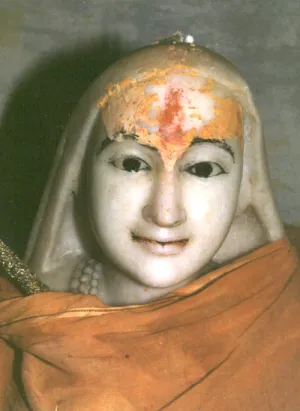
Biography
Adi Shankaracharya was an Indian philosopher and theologian who consolidated the doctrine of Advaita Vedanta, one of the most influential schools of Hindu philosophy. In his brief life of only thirty-two years, he composed extensive commentaries on the Upanishads, the Bhagavad Gita, and the Brahma Sutras, establishing the philosophical foundation for non-dual understanding.
Born in Kerala, Shankara showed extraordinary intellectual gifts from childhood. He renounced worldly life at a young age and traveled throughout India, engaging in philosophical debates and establishing four monasteries (mathas) that continue to this day. His ability to synthesize complex philosophical ideas while making them accessible earned him a place among the greatest thinkers in human history.
His central teaching—that Brahman (ultimate reality) alone is real, the world is appearance, and the individual self is none other than Brahman—remains the cornerstone of Advaita philosophy and continues to inspire seekers of truth.
Teaching and methods
Shankara taught that liberation comes through jnana (knowledge) rather than action or ritual. Through careful discrimination (viveka) between the real and the unreal, the eternal and the temporary, one recognizes that the individual self (Atman) is identical with the ultimate reality (Brahman). He emphasized the study of scripture, reflection, and meditation as means to remove the ignorance that veils our true nature.
Selected quotes
“ You never identify yourself with the shadow cast by your body, or with its reflection, or with the body you see in a dream or in your imagination. Therefore you should not identify yourself with this living body, either. ”
“ Just as a piece of rope is imagined to be a snake in the darkness so is Atman (soul) determined to be the body by an ignorant person. ”
“ When your last breath arrives, Grammar can do nothing. ”